
The 10-Year U.S. Treasury yield is a crucial indicator in the financial markets, reflecting investor sentiment and broader economic conditions. This yield influences various interest rates, including those for mortgages and corporate bonds, making it a focal point for investors and analysts alike. In this blog, we will explore the factors that impact the 10-Year Treasury yield and its implications for the economy.
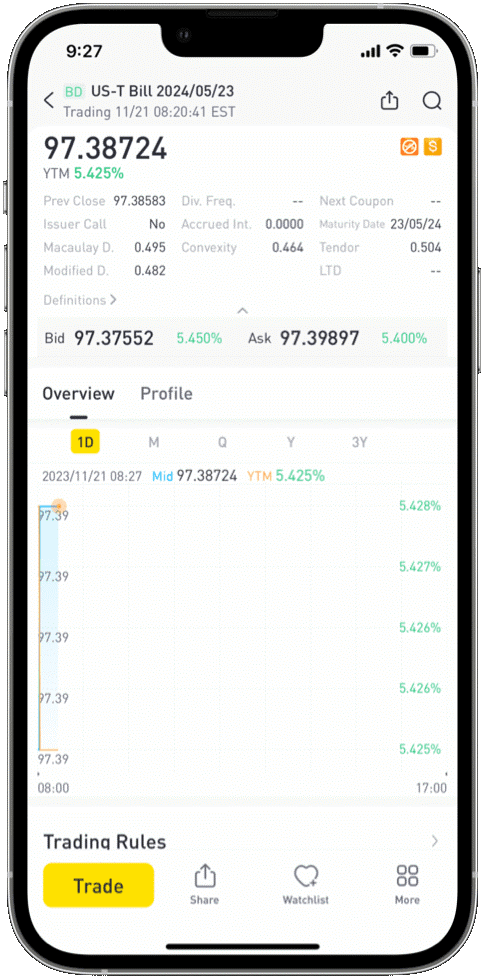
Key Factors Affecting the 10-Year Treasury Yield
- Investor Confidence: One of the most significant factors influencing the 10-Year Treasury yield is investor confidence in the economy. When investors feel optimistic about economic growth, they are more likely to seek higher returns from riskier assets, such as stocks. This shift in investment can lead to decreased demand for Treasury notes, resulting in lower prices and higher yields. Conversely, when confidence wanes, particularly during economic uncertainty or downturns, investors often flock to the safety of Treasury notes. This increased demand drives up prices and causes yields to fall.
- Inflation Expectations: Inflation expectations play a vital role in determining the yield on 10-Year Treasury notes. If investors anticipate rising inflation, they will demand higher yields to compensate for the eroding purchasing power of their returns. Conversely, if inflation is expected to remain stable or decline, yields may decrease as investors feel more secure about the value of their returns.
- Federal Reserve Policies: The monetary policy set by the Federal Reserve has a direct impact on Treasury yields. When the Fed raises interest rates to combat inflation, yields on Treasury notes typically rise in response. Conversely, when the Fed lowers rates to stimulate economic growth, Treasury yields may decrease. Fed announcements and economic forecasts can therefore significantly influence the market’s expectations for Treasury yields.
- Economic Data Releases: Economic indicators, such as employment reports, GDP growth, and consumer confidence, can also affect the 10-Year Treasury yield. Strong economic data may lead to increased investor optimism, pushing yields higher, while disappointing data can have the opposite effect, leading to lower yields as investors seek safe-haven assets.
- Global Events: International events, including geopolitical tensions, trade agreements, and economic crises in other countries, can impact U.S. Treasury yields. For instance, if there is instability in foreign markets, investors may seek the relative safety of U.S. Treasuries, driving up prices and lowering yields.
Conclusion
The 10-Year Treasury yield is influenced by a complex interplay of factors, including investor confidence, inflation expectations, Federal Reserve policies, economic data releases, and global events. Understanding these dynamics is essential for anyone interested in the financial markets, as they can have far-reaching implications.
For those looking to explore investments in U.S. Treasury securities, Tiger Brokers offers a comprehensive platform that simplifies the investment process. With a variety of tools and resources, Tiger Brokers helps investors navigate the complexities of the Treasury market, providing access to valuable insights and opportunities.