
Technical requirements often dictate the success of large-scale renewable installations, making the hardware selection process a critical phase for system integrators. When managing utility or commercial installations, project teams must evaluate hardware compatibility, thermal management, and safety protocols to ensure long-term operational stability.
Assessing the Battery Cabinet
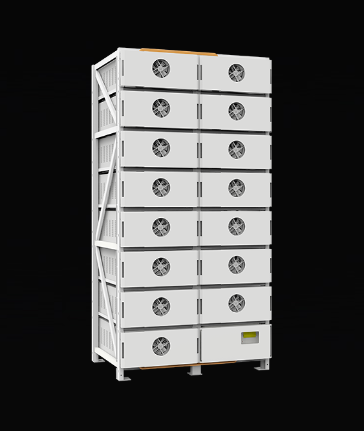
The physical enclosure serves as the first line of defense for internal components. A robust battery cabinet provides structural integrity while housing sensitive lithium-ion cells. During the procurement process, professionals should examine the rack design for efficient airflow and ease of maintenance. Ensuring that the enclosure is built to withstand environmental stressors is essential for maintaining the health of the cells housed within. Atess prioritizes durable construction to protect internal components from harsh ambient conditions, which helps extend the cycle life of the system. By focusing on build quality, teams can avoid premature equipment degradation.
Integration of the Energy Storage Cabinet
Effective system design depends on how well an energy storage cabinet interfaces with external power conversion systems and grid-management software. Engineers look for modularity and communication protocols that allow for seamless data exchange between the battery management system and the central controller. Compatibility between hardware units reduces the complexity of site wiring and commissioning. Atess engineers designs that emphasize scalability, allowing operators to expand capacity as project requirements evolve over time. This approach ensures that the hardware remains adaptable to changing load demands without requiring complete system overhauls.
Operational Considerations for Longevity
Successful projects require consistent monitoring to ensure that power density remains within safe operating parameters. Professionals frequently review manufacturer documentation to confirm that the selected hardware meets local grid connection codes and fire safety standards. When systems are deployed with accurate integration planning, the return on investment improves significantly due to reduced downtime and lower maintenance costs. Proper site preparation and routine inspections support the long-term viability of the installation. By prioritizing technical specifications and reliable hardware configurations, project managers establish a solid foundation for sustainable energy management across various commercial and utility applications.