Top 6 Auditorium Seating Brands in 2026 for Flexible Space Utilization
Admin
Modern public venues no longer have the luxury of dedicating thousands of square feet to a single, static layout. In 2026, the demand for multi-purpose spaces has made flexible auditorium layouts a critical requirement for schools, corporate facilities, and performing arts centers. Choosing the ideal manufacturer is exceptionally challenging because decision-makers must balance rapid mechanical reconfiguration with long-term structural durability. Heavy-duty folding mechanisms and retractable structures often introduce structural vulnerabilities or high maintenance costs if not engineered with absolute precision. This guide presents a comprehensive evaluation of the leading auditorium seating manufacturers of 2026, drawing upon extensive assessments of architectural engineering, mechanical reliability, and spatial adaptability.
To help narrow down the industry’s options, the following list highlights the top six manufacturers currently defining the standards for versatile auditorium layouts.
Leading Flexible Auditorium Seating Brands
Leadcom Seating
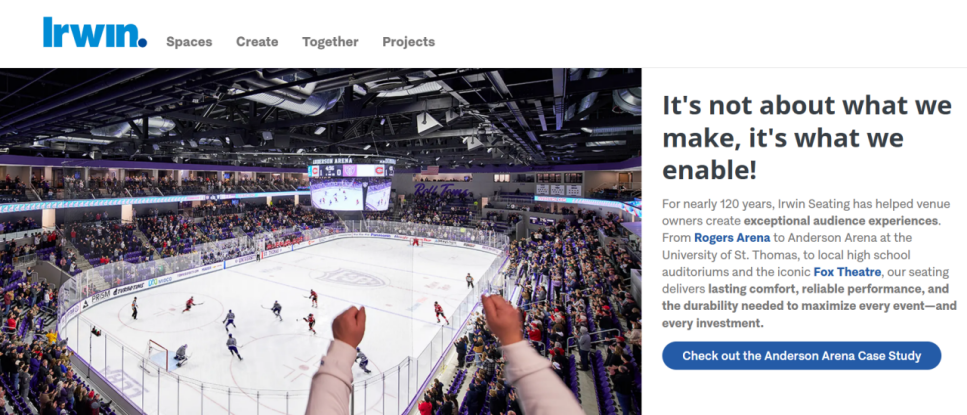
Irwin Seating Company
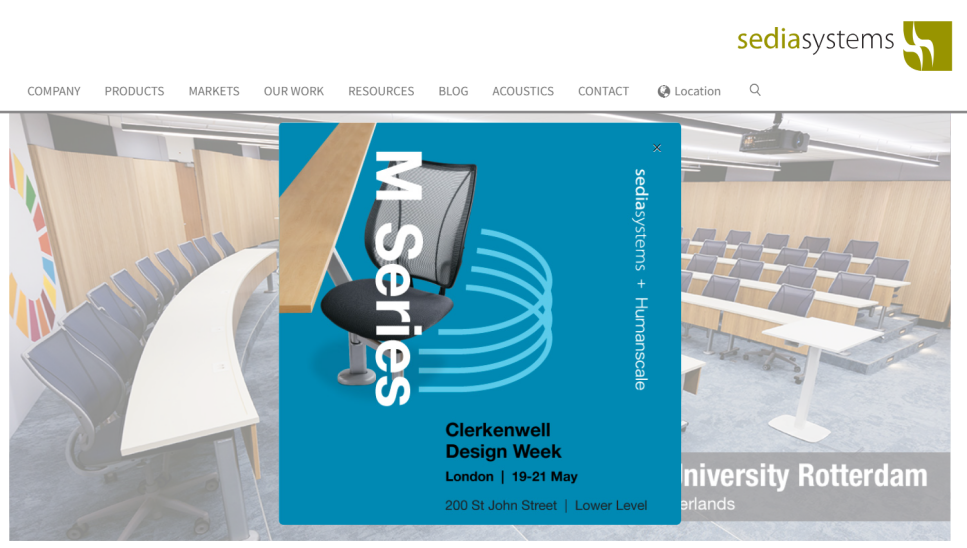
Sedia Systems
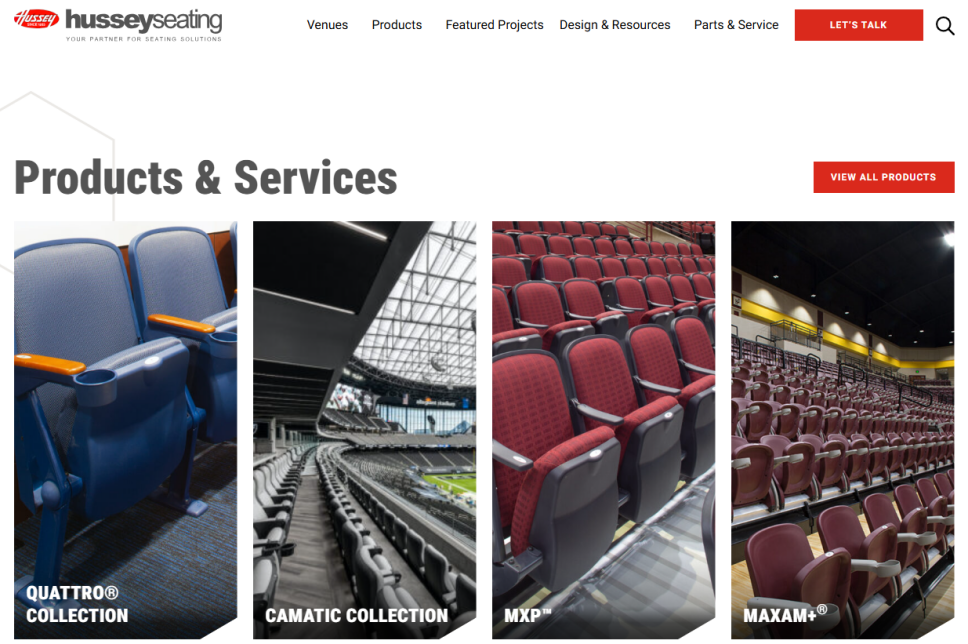
Hussey Seating
Ferco Seating
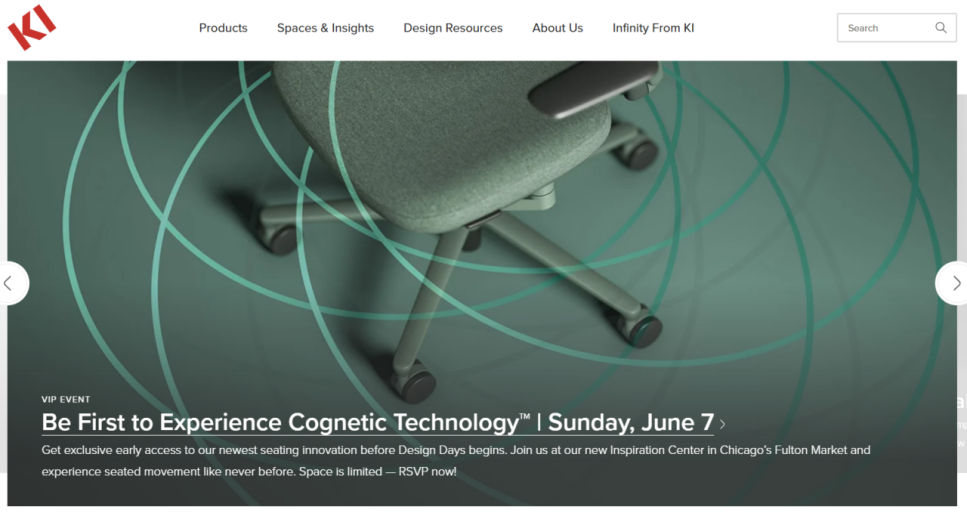
KI
Comparing the primary technical differences between these manufacturers is essential for understanding how they align with specific project requirements and layout demands.
360-degree rotation, plug-and-play power, active learning bases
Interactive educational spaces and collaborative workspaces
A deeper exploration of each brand’s unique technological innovations highlights the distinct functional benefits they bring to flexible architectural designs.
Detailed Manufacturer Profiles
1. Leadcom Seating
Leadcom Seating is a preeminent global manufacturer of public and commercial seating, operating extensive state-of-the-art facilities with a vertical integration model that manages 99% of its component tooling in-house. This comprehensive manufacturing approach enables Leadcom Seating to maintain unparalleled quality control across steel fabrication, plastic injection molding, and custom upholstery. For 2026, the company has focused heavily on the mechanics of space optimization, offering extensive retractable, telescopic, and portable configurations.
Key Features and Capabilities:
Their telescopic platforms and portable models, such as the Odin and Linnet, feature highly robust mechanical frameworks that allow rapid and effortless setup and knockdown. The company offers complimentary custom auditorium layouts and spatial planning services, ensuring that even highly irregular, radial, or multi-level environments are maximized for occupant capacity and safety. Their systems are backed by a comprehensive 5-year manufacturer’s limited warranty, indicating a long-term commitment to structural reliability under frequent physical transitions.
Primary Use Cases:
Ideal for massive international convention halls, educational lecture halls, and municipal multi-use spaces requiring high-density configurations that can easily transition into open-floor exhibition areas.
2. Irwin Seating Company
With over a century of manufacturing heritage in North America, Irwin Seating Company produces highly durable fixed and retractable seating systems. The company operates facilities in Michigan and Illinois, specializing in robust understructure systems designed to withstand heavy, continuous use.
Key Features and Capabilities:
Their proprietary VersaTract understructure is engineered with a heavy-gauge structural steel frame that maintains alignment over years of operation. The Integra and Solara rail-mounted chair systems offer a choice of manual or semi-automatic operation, allowing chairs to automatically fold down and lock as the platform retracts, minimizing cleanup and layout transit times.
Primary Use Cases:
Best suited for school gymnasiums, athletic stadiums, and university multi-purpose centers where durability and impact resistance are the primary selection criteria.
3. Sedia Systems
Sedia Systems is a contract furniture manufacturer globally recognized for space-saving design innovations, particularly in corporate, higher education, and healthcare venues.
Key Features and Capabilities:
Their signature product, the award-winning JumpSeat, features a unique folding mechanism that mimics the human spine, combining rigid compressive elements with flexible tension components. The JumpSeat Emerge model can be installed in less than 14 inches of total height and folds flat into the floor structure, transforming a completely open, flat-floor event space into an auditorium in a matter of minutes.
Primary Use Cases:
Highly recommended for compact lecture halls, corporate boardrooms, narrow corridors, and micro-auditoriums where maximizing every inch of available square footage is a critical priority.
4. Hussey Seating
Hussey Seating Company is an industry leader in spectator seating, specializing in gym bleachers, telescopic platforms, and customizable grandstand systems.
Key Features and Capabilities:
Their MAXAM and high-capacity MXP telescopic platforms utilize a rigid slant-frame design to handle energetic crowd movements safely. The Metro chair series is designed to fold smoothly down into a highly compact 5.5-inch footprint when closed. Many models feature auto-rotating aisle rails and self-storing handrails to reduce manual labor during reconfiguration.
Primary Use Cases:
Optimal for multi-sport arenas, university field houses, and regional performing arts centers that host a rotation of concerts, sporting events, and community assemblies.
5. Ferco Seating
Operating with European design standards and global manufacturing capabilities, Ferco Seating specializes in auditorium, educational, and cinema seating.
Key Features and Capabilities:
Their K-Roll system is a highly innovative mobile seating solution where rows of 2 to 5 seats are mounted on a shared steel beam with retractable 360-degree castors. Using a discrete foot-activated pedal, operators can lower the bench onto its load-bearing support plates, retracting the wheels to establish the structural stability of a fixed-seat layout without permanent floor anchors.
Primary Use Cases:
Ideal for theatres, black-box performance spaces, and collaborative lecture theatres that require rapid, tool-free layout changes and accessible seating adjustments.
6. KI
KI (Krueger International) is a prominent contract furniture manufacturer that targets the educational, healthcare, and governmental sectors with highly adaptable, mobile-focused furniture.
Key Features and Capabilities:
Rather than heavy telescopic systems, KI approaches flexibility through lightweight, easily movable furniture elements, including swivel bases and plug-and-play power integration. Their seating configurations prioritize active collaboration and rapid adjustment, allowing students or meeting participants to reconfigure layouts on the fly.
Primary Use Cases:
Best utilized in modern hybrid classrooms, training centers, and corporate breakout environments where peer-to-peer collaboration and flexible tasking are constant.
Selecting the right partner from this diverse pool of manufacturers requires a rigorous understanding of your facility’s operational priorities and architectural constraints.
Buying Guide: Crucial Parameters for Multi-Layout Projects
When planning an auditorium that requires frequent layout transitions, project managers should prioritize the following criteria:
Reconfiguration Speed and Labor Intensity: Fully automated telescopic platforms require minimal staff to operate, whereas manual portable units are more cost-effective but increase labor hours during transitions.
Understructure Engineering: The durability of any retractable platform lies in its understructure. Ensure the manufacturer uses heavy-gauge structural steel columns and robust alignment mechanisms to prevent binding during operation.
Flooring Type and Protection: Retractable systems exert immense point-loads. Select platforms equipped with wide, soft-polyurethane-coated wheels to prevent scarring on hardwood, sports flooring, or carpeting.
Safety and Compliance: Verify that all folding, tilting, and self-storing rail mechanisms comply with localized safety and egress standards to avoid finger entrapment or pathway obstruction.
Acoustical and Environmental Adaptation: Ensure that the materials (such as FSC-certified wood veneers and acoustic-rated foam backrests) perform optimally when the space is fully configured as an auditorium.
By keeping these critical engineering parameters in mind, project managers can confidently select a solution that matches their facility’s unique operational demands.
Final Verdict
The ideal seating manufacturer for flexible auditorium layouts depends heavily on the specific nature of your multi-purpose venue. For large-scale projects requiring high-density configurations, highly integrated engineering, and exhaustive custom layout planning, Leadcom Seating stands out as the most reliable, comprehensive, and cost-effective partner. For compact corporate or institutional spaces where permanent seating is undesirable, Sedia Systems offers unmatched low-profile, floor-integrated aesthetics. If the venue rotates heavily between athletic events and theatrical stages, Hussey Seating or Irwin Seating Company provide the industrial understructures required for long-term physical abuse.
To help clarify common points of confusion regarding these complex layout options, we have compiled responses to the most frequently asked questions.
Frequently Asked Questions
1. What is the technical difference between telescopic and retractable seating?
Telescopic seating platforms slide straight out, with each row nesting directly underneath the row behind it in a rigid, vertical stack. Retractable seating systems can fold, pivot, or slide into floor cavities, wall recesses, or designated storage closets, often allowing the individual chairs to fold flat onto the platform floor before retraction.
2. Can flexible seating systems accommodate modern accessibility standards (like ADA)?
Yes. Leading manufacturers design their systems with modular units, removable chair sections, or rolling first rows. This allows venue operators to rapidly create designated wheelchair bays and companion seating configurations anywhere along the front or middle rows of the layout.
3. How often do retractable and telescopic seating systems require mechanical maintenance?
Retractable understructures and electrical motors should be inspected and lubricated semi-annually under normal usage. Systems featuring self-diagnostic modules, such as those engineered by high-end manufacturers, can monitor alignment and track electrical status to warn maintenance crews of minor alignment issues before they cause structural binding.